
From Dock Chaos to Predictable Deliveries
Real-Time Arrival Visibility for Logistics, Distribution, and Retail Receiving
In high-frequency delivery networks, one of the most overlooked bottlenecks isn’t transportation, it’s the receiving dock. Trucks often arrive early, late, or in clusters. Store managers and warehouse teams are left reacting to arrivals rather than preparing for them.
Glympse bridges the gap between transportation teams and receiving locations by providing shared, real-time ETA visibility so everyone can see when deliveries are truly arriving. The result is fewer surprises, fewer delays, and more coordinated operations from route planning to dock arrival.

Logistics still runs in silos. Glympse connects drivers, dispatchers, facilities, and customers around shared, real-time arrival intelligence, delivering proactive notifications to the person who matters most: the customer waiting and wondering, “When will this arrive?” That’s the Glympse magic.
Chris Ruff, Glympse CEO and president
From Reactive Deliveries to Proactive Arrival Awareness
Glympse enables proactive, real-time ETA notifications that give receiving locations advance visibility throughout the day into incoming deliveries, giving dock teams updated arrival timing as routes progress. This shared visibility connects transportation and receiving teams around the same real-time operational picture.
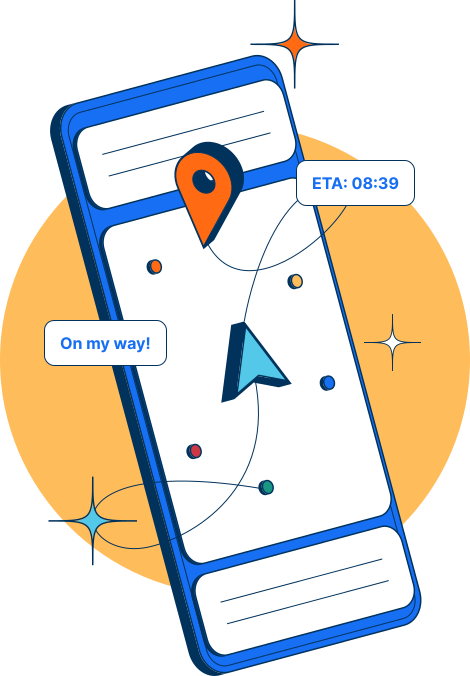
Real-Time Truck Visibility
Live map view showing exactly where inbound deliveries are on the route.
Accurate Stop-Specific ETAs
Delivery locations receive updated ETAs as routes progress.
Automated Arrival Notifications
Receiving teams are notified before the truck arrives.
Shared Operational Visibility
Transportation teams and receiving locations see the same live delivery status.
Multi-Party Coordination
Dispatch, drivers, and receiving docks stay aligned around the same real-time data.
Where Logistics Coordination Matters Most
We are helping organizations coordinate arrivals across complex driving networks. Here are just a few groups we work with.
- Transportation Providers
- Shippers, Brokers, Carriers
- Retail Receiving Locations
- Dock Scheduling Companies
- Systems Integration Companies
- Distribution Centers
Testimonials
See how our clients improved operations, safety, and efficiency with Glympse.
FAQs
We’ve gathered answers to the questions we’re asked most often to make things easier for you.
How is Glympse different from traditional vehicle tracking?
Traditional tracking systems show where vehicles are. Glympse focuses on sharing real-time arrival visibility with the people who need it, including receiving teams, customers, and logistics partners, enabling better coordination around when deliveries will actually arrive.
How does Glympse improve coordination at retail receiving docks?
Glympse provides receiving locations with real-time visibility into inbound delivery vehicles and continuously updated ETAs. This allows store or warehouse teams to prepare dock space, labor, and equipment before trucks arrive, reducing congestion and improving delivery flow.
How does Glympse help reduce dock dwell time?
When receiving teams know exactly when trucks will arrive, they can prepare ahead of time. This eliminates the delays that occur when trucks arrive unexpectedly and must wait for dock space or staff availability, helping drivers move through the dock faster.
Do drivers need to install an app to use Glympse?
No. Glympse supports flexible options including simple web-based sharing links, embedded integrations, or mobile integrations depending on how transportation teams operate. Drivers can share real-time location without requiring complicated setup.
Can Glympse work with existing transportation or logistics systems?
Yes. Glympse can integrate with transportation management systems (TMS), dispatch platforms, and logistics workflows through APIs. This allows organizations to add real-time ETA visibility without replacing their existing systems.
What types of delivery networks benefit most from Glympse?
Glympse is particularly valuable for logistics environments with frequent deliveries or multiple receiving locations, including:
- Retail store deliveries
- Distribution centers
- Multi-stop delivery routes
- Third-party transportation providers
- High-frequency last-mile delivery operations